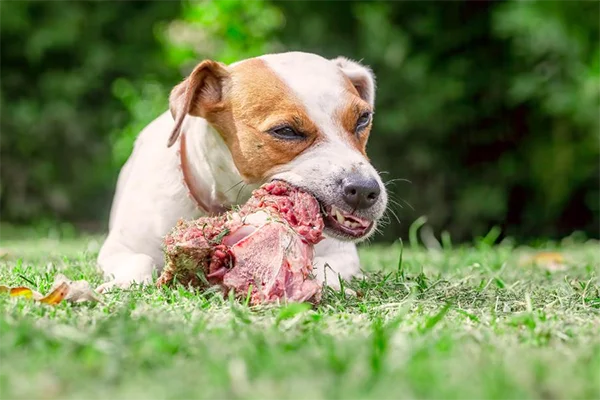
Learn how to safely transition your dog to a raw feeding diet with expert advice from TPMS Animal
Feeds.
Discover the benefits of raw dog food and tips for a smooth switch.
At TPMS Animal Feeds, we help dog owners across the UK make the move to raw feeding with confidence and expert guidance.
Understanding the Raw Feeding Transition
Raw feeding involves introducing your dog to a more natural diet made up of raw meat, bones, and organs. Many dog owners choose raw feeding to provide a species-appropriate diet that supports healthy digestion, strong teeth, improved energy levels, and a healthier coat.
When transitioning your dog to raw food, it's important to take a gradual approach. This gives your dog's digestive system time to adjust and helps reduce the chance of stomach upset.
Common Concerns About Raw Dog Feeding
It's completely normal to have questions before changing your dog's diet. Some of the most common concerns include:
- How to introduce raw dog food safely
- Choosing the right raw feeding plan
- Digestive changes during the switch
- Understanding the nutritional benefits
With the right support and quality raw dog food, most dogs adapt very well and enjoy the change in diet.
Choosing the Right Raw Dog Food
Every dog is different, which is why choosing the right raw dog food is important. Factors such as age, breed, activity level, and dietary sensitivities should all be considered when selecting a raw feeding option.
Whether you follow a BARF diet or a prey model approach, using balanced and high-quality ingredients is essential for your dog's health and nutrition.
At TPMS Animal Feeds, we stock a range of quality raw dog food options to suit different breeds and feeding requirements.
Tips for Transitioning Your Dog to Raw Feeding
To help your dog move onto a raw diet successfully, follow these simple tips:
- Start with the mildest, most digestible meats to support your dogs digestion
- Days 1–3: Feed plain minced chicken
- Days 4–5: Switch to chicken & tripe blend
- Day 6 onwards: Introduce variety with chicken plus a red meat source (e.g., meat & tripe blends)
- Always leave fresh, clean water available at all times
- Keep an eye on stool consistency — this helps you check how well your dog is adjusting
A slow transition is often the best way to help your dog adjust comfortably.
Helping Fussy Dogs Adjust
Some dogs can be hesitant when trying raw food for the first time. If your dog is a fussy eater, try different protein options or textures to find what they enjoy most. Patience and consistency are important during the transition process.