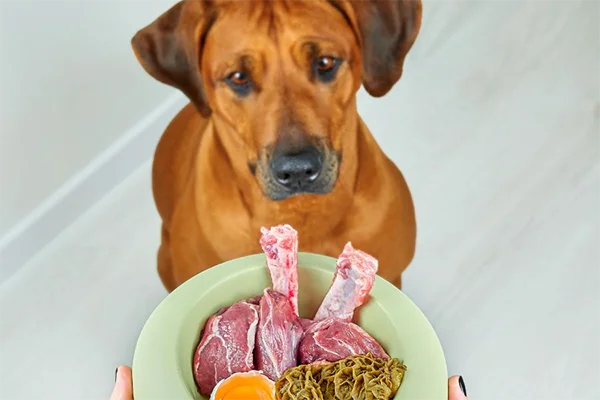
Raw feeding has become a popular choice among dog owners looking for a more natural diet for their
dogs.
At TPMS, we support owners across the UK with quality raw dog food and guidance on safe feeding
practices.
One of the most common questions we're asked is how to safely store and handle raw dog food at home. Getting this right is important for your dog's health and maintaining good household hygiene.
If you are new to raw feeding, understanding safe storage, defrosting and preparation methods can help make feeding simpler, cleaner and safer for the whole household.
Why Food Safety Matters with Raw Feeding
Many dog owners who feed raw report benefits such as improved coat condition, better digestion and increased enjoyment at mealtimes. However, raw dog food should always be handled with the same care as any other raw meat product.
Keeping your kitchen clean, storing food correctly and following a consistent preparation routine helps reduce the risk of bacterial contamination and keeps feeding safe for both dogs and people.
The UK Food Standards Agency recommends keeping refrigerated foods below 5°C to help slow bacterial growth and maintain food safety standards.
Understanding basic raw dog food safety is an important part of starting and maintaining a raw dog food diet responsibly.
Storing Raw Dog Food Properly
When your raw food order arrives from TPMS, it is delivered frozen to help maintain freshness and
quality.
Food should be placed into the freezer as soon as possible after delivery. Keeping raw food frozen
until
needed helps preserve quality and supports safe storage.
Most raw meals should be fully defrosted before feeding. Transfer the portion you need into the fridge 12 to 24 hours before use. Avoid defrosting raw dog food at room temperature, as this can encourage harmful bacteria to grow.
Once defrosted, raw dog food should be kept refrigerated in a sealed container below 5°C and ideally used within 24 to 48 hours. Discard any food with an unusual smell, discolouration or visible signs of spoilage.
If you regularly buy raw dog food in bulk, organising meals into labelled portions can make feeding easier and reduce waste.
How to Handle Raw Dog Food Safely
Good hygiene is essential when preparing raw meals for dogs. Use separate utensils, chopping boards and preparation areas where possible, and wash your hands thoroughly after handling raw food.
All surfaces, bowls and utensils should be cleaned immediately after use to help prevent cross-contamination with human food preparation areas.
Feed your dog in a consistent area of the home and clean the space after each meal. Avoid leaving raw food out for extended periods, particularly during warmer weather.
If your dog does not finish their meal, refrigerate leftovers promptly and use them within 24 hours. Any food left sitting out for too long should be discarded.
Freezing Dog Food for Long-Term Storage
One of the advantages of raw feeding is the ability to freeze meals for longer-term storage. Buying in bulk can often be more cost-effective, particularly for larger dogs or multi-dog households.
Freezers should be maintained at -18°C or below for safe food storage. Labelling products with freezing dates can help you rotate stock efficiently and minimise waste.
Planning meals in advance also makes daily feeding more convenient for busy households and helps maintain a consistent feeding routine.
Supporting Safe Raw Feeding with TPMS
At TPMS, we supply temperature-controlled raw dog food delivered ready to freeze or serve. Our
packaging
is designed to support safe handling from delivery through to feeding time.
If you are new to raw feeding or unsure about best storage and preparation practices, our team is
always
happy to help guide you through the process.
Starting a raw diet may feel unfamiliar at first, but with sensible hygiene practices and proper
storage, handling raw dog food quickly becomes straightforward and manageable.
With the right approach and a trusted supplier, raw feeding can be a safe, simple and practical
option
for your dog's daily diet.